
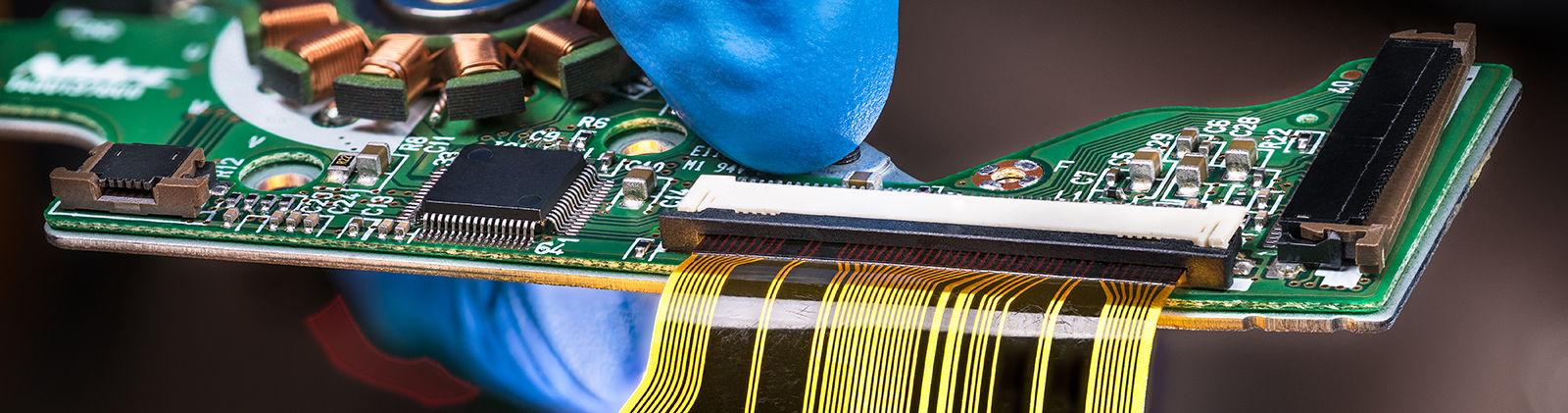
The Rigid Flex Board Design: Best Practices for Designing Rigid-Flex Boards
Key Summary
• TechnoTronix highlights industrial applications, advantages, and design guidelines for rigid-flex PCBs.
• Rigid-flex boards are valued for their reliability and cost-effectiveness, making them widely used across industries.
• IPC (Now Global Electronics Association) offers a six-week course covering flexible circuit design, materials, manufacturing processes, documentation, and relevant IPC standards.
• Course assignments include designing multilayer boards, defining stackups, creating documentation packages, and completing a final exam.
• Recommended supplemental resources include works by Coombs, Ritchey, and Brooks for deeper PCB design knowledge.
The folks over at TechnoTronix recently published the blog post, “Top things you need to know about the Rigid-Flex PCB Manufacturing Process!”
They do a great job of listing the most popular industrial applications and the advantages of rigid-flex PCBs. As TechnoTronix tells us, these types of boards are reliable and cost effective, which is why they are so widely used in the industry.
But there are best practices to follow when designing rigid-flex boards. The blog post gives a good top-level look at the design guidelines and details the manufacturing processes. If you’re looking for more in-depth instruction, IPC offers a six-week course, PCB Design for Rigid-Flex Boards starting on March 15, 2022.
This course covers basic and advanced flexible circuit design, materials, manufacturing processes and documentation, including IPC standards. Assignments include designing single and multi-layer boards, define stackups for signal integrity, assembly array and creating a documentation package, plus a final exam.
Our instructor, Kris Moyer, also suggests some supplemental materials that are resources every designer needs.
Printed Circuit Handbook by Clyde F. Coombs
Right the First Time by Lee W. Ritchey
Signal Integrity Issues and Printed Circuit Boards by Douglas Brooks
Check out the course content in more detail with this course syllabus and keep an eye on the TechnoTronix Blog.
They are known for being reliable and cost-effective, which contributes to their widespread adoption across various industries.
Following established design guidelines and understanding manufacturing and assembly impacts are essential for producing effective rigid-flex boards.
The six-week course covers flexible circuit design, materials, manufacturing processes, documentation, and applicable IPC standards, along with hands-on assignments.
Students design single and multi-layer boards, define stackups for signal integrity, create assembly arrays and documentation packages, and complete a final exam.
Suggested resources include Printed Circuit Handbook, Right the First Time, and Signal Integrity Issues and Printed Circuit Boards.