
Policymakers See Apprenticeships in Action
By Kate Koger, IPC public affairs coordinator
Key Summary
• Policymakers visited Detex to see IPC apprenticeships in action
• The tour highlighted workforce challenges and hands-on training needs
• Apprentices demonstrated strong technical skills and confidence
• Staffers gained insight into manufacturing processes and skill gaps
• IPC encourages more facility visits during National Apprenticeship Week
This week, I had the exciting opportunity to visit Detex's New Braunfels, Texas plant for a tour with two staffers from Senator John Cornyn’s (R-TX) office: Andi Dooley, regional director, and Jacob Smith, policy advisor for commerce, science, and technology. What made this visit even more special was how it specifically highlighted IPC’s apprenticeship program and how Detex is implementing it to address workforce challenges.
The tour started with a warm welcome at Detex, where we discussed the company’s history, workforce, and their unique role in the electronics manufacturing landscape. As we walked through the plant, I was able to see firsthand how Detex’s products contribute to local security, infrastructure, and even broader markets.
As the key focus of the tour was Detex's implementation of IPC’s Registered Apprenticeship program, we were able to see firsthand how Detex has worked to recruit, retain, and upskill workers. With the electronics industry facing a widening skills gap and an aging workforce, apprenticeship programs are vital to developing the next generation of skilled professionals. We had the chance to meet several apprentices and watch them in action. It was inspiring to see their high level of mastery of these complex skills with a degree of precision and confidence that underscored the power of hands-on learning.
Hearing their stories highlighted not just the success of the program but the importance of structured training in an industry where knowledge transfer and skill development are critical. The apprenticeship model helps fill the gap between the classroom and the production floor, offering a direct pathway into good careers while helping companies like Detex stay competitive.
It was especially important to see the success of these programs with government staffers like Andi and Jacob present. It’s one thing to talk about the importance of workforce development on Capitol Hill, but it’s another to see it up close! I was excited that they were able to not only witness the dedication of these apprentices, but also better understand the complexity of manufacturing processes. I believe this is the best way to better appreciate the need for policy that supports initiatives like apprenticeships. Their visit to Detex provided an opportunity for meaningful dialogue about the barriers we face in the workforce, from skills shortages to outdated training methods. By seeing these challenges firsthand, policymakers can better advocate for solutions that will benefit the entire electronics industry.
Visits like this make a real difference, especially as we approach this year’s National Apprenticeship Week (November 17-23). It's essential to get more policymakers on the ground and into factories so they can see what’s at stake. The electronics manufacturing industry is a vital part of our economy and national security, and addressing workforce challenges requires practical, well-informed solutions. Apprenticeship programs can be a game-changer, but they need strong support from government leaders.
To our IPC member companies, if you’d like to host a tour, we’re here to help make it happen. And for members of Congress and their staffers, come see the incredible work being done at manufacturing sites across the country. There’s no better way to understand the industry’s needs and the policies that will drive us forward.
Learn more about Detex and their apprenticeships in this IPC Community article: https://iconnect007.uberflip.com/i/1523888-community-q324/73
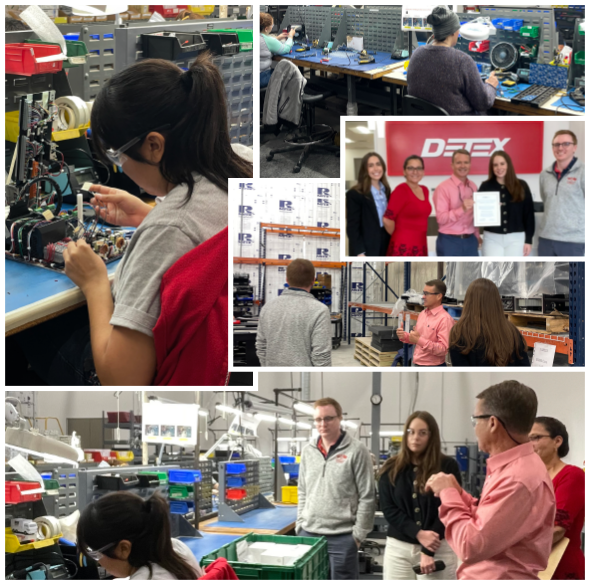
Apprenticeships help companies build a skilled workforce through structured, hands-on training. They support recruiting, retention, and long-term development, which is essential as the electronics industry faces increasing skills gaps and an aging workforce.
Seeing the facility firsthand helped policymakers understand the complexity of manufacturing work and the training it requires. The experience made workforce challenges more visible and reinforced the importance of supporting programs that help companies train and grow qualified workers.
Hands-on learning allows apprentices to build confidence and precision by practicing real tasks. It helps bridge the gap between classroom concepts and actual production work, preparing them for strong careers while helping companies maintain high standards.
Detex uses the program to recruit new workers and upskill current employees. Apprentices gain structured training while contributing to production, supporting both workforce stability and the company’s ability to stay competitive in the electronics manufacturing sector.
Tours give policymakers a clearer understanding of workforce barriers and training needs. Experiencing operations firsthand helps shape more informed policy decisions that support apprenticeships and strengthen the broader electronics manufacturing industry.